
Polyester film is one of the most versatile materials in the packaging and industrial world. Known for its durability, transparency, and adaptability, this film has become a standard choice in multiple industries ranging from food packaging to electronics. If you’re curious about what makes polyester film so popular, its properties, different types, and applications, this article will cover everything you need to know in a simple and engaging way.
What is Polyester Film?
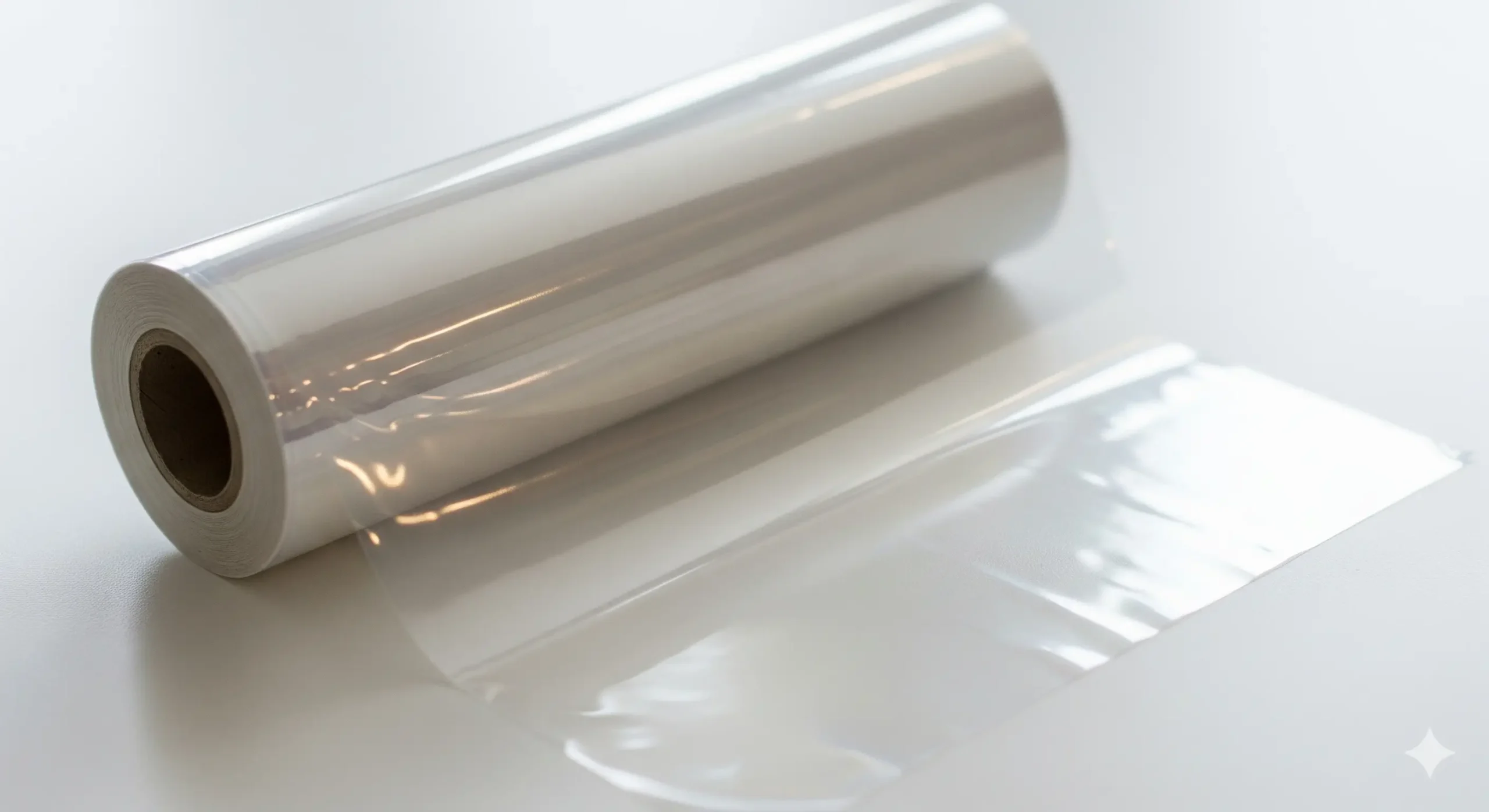
Polyester film, often referred to as PET film (Polyethylene Terephthalate), is a polymer-based material created by extruding and stretching polyester resin into thin sheets. This process gives the film its strength, clarity, and dimensional stability. Because of its unique molecular structure, polyester film performs well in both high and low temperatures, making it ideal for demanding applications.
Key Properties of Polyester Film
The success of polyester film lies in its balanced set of properties. Let’s look at the most important ones
1. High Mechanical Strength
Polyester film is tough and tear-resistant, which makes it suitable for packaging, industrial laminates, and protective layers. Its tensile strength ensures that it doesn’t easily break under stress. It has minimum 2000 kg/cm2 tensile strength.
2. Excellent Thermal Stability
Unlike many plastic films that warp or shrink under heat, polyester film maintains stability in a wide temperature range, typically from –70°C to +150°C.
3. Good Electrical Insulation
Due to its dielectric properties, polyester film is widely used in electrical insulation, cable wrapping, and electronic components.
4. Chemical Resistance
Polyester film resists oils, greases, solvents, and a wide variety of chemicals, which makes it ideal for industrial and packaging use.
5. Optical Clarity
Its natural transparency and ability to maintain clarity over time make it perfect for applications where visibility is important, such as labels or display packaging.
6. Barrier Properties
Polyester film provides a strong barrier against moisture, gases, and aroma loss, which is why it’s so popular in food and beverage packaging.
| Properties | Polyester | Metalized PET Film |
| Density | 1.4 gm/cm3 | 1.4 gm/cm3 |
| Treatment | Min 42 dyne/cm | Min 46 Dyne/cm |
| Tensile strength | Min 2000 kg/cm2 | Min 2000 kg/cm2 |
| Elongation | Min 80 % | Min 80 % |
| Melting Temperature | 256 C | 256 C |
| C.O.F | 0.35 | 0.35 |
| Thermal shrinkage | MD< 2.5 TD< 0.5 | MD< 2.5 TD< 0.5 |
| Haze | 3.0 | 3.0 |
| Sealing | N/A | N/A |
Types of Polyester Film
Not all polyester films are the same. Depending on how they are manufactured and treated, they can serve different purposes. Here are the major types:
1. Plain Polyester film
This is the most basic form of polyester film, used mainly in lamination, printing, and general packaging.
2. Metallized Polyester film
A thin layer of aluminum is coated onto the surface, giving it a reflective, metallic appearance. This type enhances barrier properties and is commonly seen in snack food packaging, insulation, and decorative materials.
3. Coated PET Film
Polyester films can be coated with special materials to improve properties such as printability, heat-salability, or slip. This makes them highly versatile for flexible packaging.
4. Matte PET Film
This type has a frosted, non-glossy surface that provides a premium look. It’s widely used in graphic arts, labels, and high-end packaging.
5. Shrink PET Film
These films are engineered to shrink tightly over products when heated. They are popular in labeling and tamper-evident packaging.
Applications of Polyester film
Polyester film’s versatility makes it suitable for a wide range of industries. Let’s break down its major applications:
1. Packaging Industry
- Food Packaging: Polyester film acts as a strong barrier against oxygen and moisture, keeping food fresh for longer.
- Beverage Labels: PET shrink films are used for full-body bottle labeling.
- Pharmaceutical Packaging: Its chemical resistance ensures safe packaging for medicines.
2. Electrical and Electronics
- Used as insulation in capacitors, transformers, and motors.
- Protects delicate circuit boards and electrical components.
3. Industrial Applications
- Used as release liners for adhesives.
- Applied in solar panels due to its UV stability and strength.
- Serves as a protective film in construction materials.
4. Graphics and Printing
- Ideal for printing high-quality graphics due to its smooth surface.
- Used in labels, laminates, and photo printing.
5. Specialty Uses
- Safety and security applications, such as ID cards and tamper-evident seals.
- Decorative applications like glitter, ribbons, and party streamers.
Advantages of Polyester film
Polyester film has several advantages over other films like polypropylene (PP) or polyethylene (PE):
- Better strength and durability
- Superior heat resistance
- Enhanced barrier properties
- Wide range of customization (metallization, coating, lamination)
- Environmentally stable (less shrinkage and warping)
Limitations of Polyester film
While polyester film offers many benefits, it also has a few limitations:
- Higher cost compared to common films like BOPP.
- Difficult recycling due to multilayer structures in flexible packaging.
- Limited stretchability, which restricts its use in applications requiring extreme flexibility.
Polyester Film vs. Other Plastic Films
When compared with other plastic films, polyester film stands out for its toughness and versatility:
- PET vs. BOPP (Biaxially Oriented Polypropylene): PET has better heat resistance and barrier properties, while BOPP is lighter and more cost-effective.
- PET vs. PVC (Polyvinyl Chloride): PET is more environmentally friendly and has superior clarity. PVC, however, is cheaper but comes with environmental concerns.
- PET vs. PE (Polyethylene): PET offers better strength and clarity, while PE is more flexible and widely recyclable.
Future of Polyester Film
With sustainability becoming a global priority, the polyester film industry is adapting quickly. Innovations in recycling, such as chemically recycled PET films, are gaining attention. Bio-based polyester films made from renewable resources are also being developed to reduce environmental impact.
Additionally, advancements in coatings and metallization are expected to enhance the performance of PET films, making them even more competitive in packaging and industrial sectors.
Is Polyester film recyclable?
Yes, polyester film (PET) is recyclable. However, recycling becomes complicated when it is laminated or metallized. New technologies are emerging to recycle multi-layer PET films effectively.
What is the difference between PET and polyester film?
There is no difference—PET (Polyethylene Terephthalate) is the chemical name, while polyester film is the general term used in industries.
Why is Polyester film used in food packaging?
It offers excellent barrier properties against oxygen and moisture, keeps food fresh longer, and has high clarity for attractive packaging.
Can PET film withstand high temperatures?
Yes, polyester film can handle a temperature range from –70°C to +150°C, making it suitable for heat-resistant applications.
Which industries use Polyester film the most?
The major industries include packaging, electrical and electronics, printing, construction, and renewable energy sectors.
Is Polyester film eco-friendly?
Polyester film itself is recyclable, and bio-based PET films are under development to make it more sustainable. However, multilayer and coated versions are harder to recycle.